
Imagine a basketball game. Not thinking about who wins or loses, but simply thinking about the TOTAL points scored. That’s the thrilling core of over/under betting, which is also known as totals betting, and it is a wildly popular corner of the sports betting world. Why? Because it’s straightforward. It doesn’t demand you pick a victor; it just requires you to predict whether the combined score will be HIGHER or LOWER than the number set by the bookmakers.
But, don’t let the simplicity fool you. While anyone can place an over/under bet, successful bettors approach it with strategy and insight. They delve into statistics, analyze team dynamics, and consider external factors that could influence the final score. This guide isn’t just about explaining HOW to bet, but about revealing the strategies that can give you a serious edge.
So, if you’re ready to move beyond casual guessing and transform your over/under betting into a calculated pursuit, then you’re in the right place. Prepare to uncover the secrets that separate the casual bettor from the CONSISTENTLY profitable one.
What is Over/Under Betting?
Over/under betting, also known as a totals bet, is a straightforward wager in sports betting. It focuses on the combined score of both teams in a game. Forget about predicting the winner; with over/under, the only thing to consider is the final tally of points.
The sportsbook sets a projected total score for the game. Your task is to predict whether the actual combined score will be over or under that number. For example, imagine an NFL game with a set total of 45.5 points. If you bet “over,” you’re wagering that the final combined score will be 46 points or more. If you bet “under,” you’re hoping for 45 points or fewer.
It’s that simple! Over/under is a popular choice because it offers a different angle on enjoying the game. It keeps you engaged until the final whistle, regardless of which team pulls out the victory. Understanding this over/under definition is the first step to exploring its exciting potential within the world of sports betting basics.
How Over/Under Betting Works: Understanding the Odds and Payouts
Decoding over/under betting hinges on understanding the odds, which are usually presented in the -110 format. This figure dictates the amount you need to wager to win $100. So, if you’re eyeing an over/under with -110 odds, you’d need to bet $110 to potentially pocket $100 in profit, in addition to getting your initial stake back. Simple, right?
However, there’s a hidden element at play: the sportsbook’s ‘vig,’ also known as the ‘juice.’ This is essentially the commission the sportsbook takes on every bet, ensuring they make a profit regardless of the game’s outcome. The -110 odds already factor in this vig. Think of it this way: if there were no vig, a truly 50/50 proposition would have odds of +100 (bet $100 to win $100). The vig is what pushes the odds down to -110, creating the sportsbook’s edge.
Calculating betting payouts involves more than just the odds; one needs to grasp implied probability. Implied probability is the likelihood of an event occurring based on the odds. For example, -110 odds imply roughly a 52.4% probability. Recognizing implied probability is critical for pinpointing value bets. If personal analysis leads to the realization that the true probability of the ‘over’ hitting is closer to 60%, then betting at -110 might present a profitable opportunity, even after accounting for the vig. Remember, consistently identifying these discrepancies between implied probability and perceived probability is the key to long-term success in over/under betting.

Factors Influencing Over/Under Lines: More than Just Offense and Defense
Team Statistics and Game Dynamics
Predicting the over/under isn’t just about glancing at team rankings and guessing how many points they’ll score. It’s a deep dive into a complex web of factors, where oddsmakers meticulously analyze team statistics, injury reports, weather forecasts, and even betting trends to set the line. These experts go way beyond just offensive and defensive capabilities of a team.
Oddsmakers also scrutinize team statistics, recognizing that offensive and defensive playstyles play a massive role in shaping the final score. Teams with high-powered offenses and poor defenses might consistently produce high-scoring games, while defensive juggernauts often lead to lower scores. Furthermore, it’s not enough to look at season averages. Past game results and specific situations are very important when trying to gain the advantage when betting. For example, a team might struggle to score against zone defenses, but excel against man-to-man coverage. Recognizing these tactical nuances can give players a more keen knowledge of what to expect. Data analysis helps in spotting these trends, but understanding football is more important.
Over/Under Strategies by Sport: A Tailored Approach
Over/under betting isn’t a universal game; what works in one sport can be a losing strategy in another. Success hinges on recognizing the unique factors that drive scoring in each league. Forget the one-size-fits-all mentality. Instead, dive into the specifics of the NFL, NBA, MLB, and NHL to craft informed predictions. Understanding typical scoring ranges, key performance indicators, and even subtle rule differences is paramount to finding an edge. This tailored approach is key to becoming a sharper, more profitable over/under bettor.
The NFL
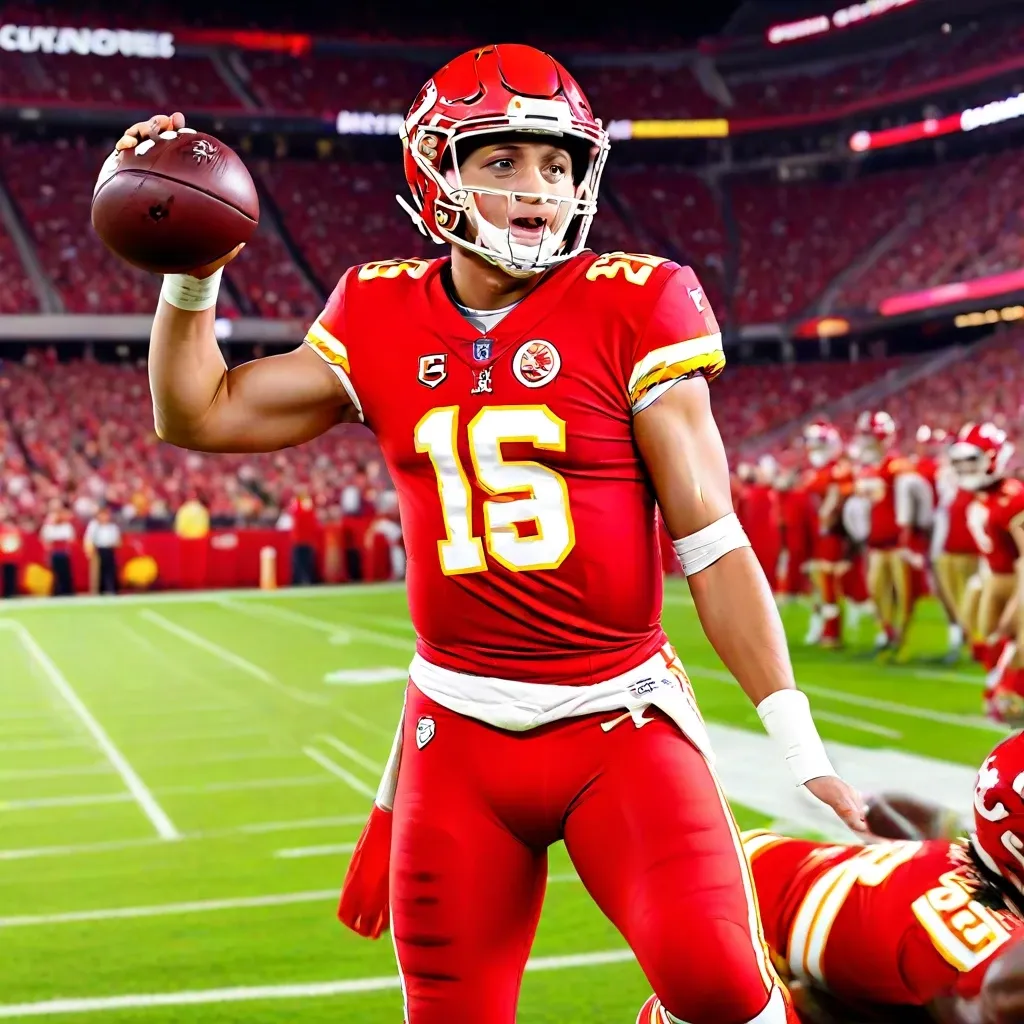
In the NFL, the over/under is heavily influenced by passing offenses. Keep a close eye on passing yards and touchdowns. Sacks and turnovers also play a crucial role, as they can swing momentum and scoring opportunities. Studying recent games to determine totals and averages for a particular team will improve the quality of your prediction. For example, if the Kansas City Chiefs have averaged 55 total points in their last three games, with Patrick Mahomes throwing for over 350 yards per game, that team will likely be favored for a higher total.
The NBA
The NBA over/under is a dance of pace and efficiency. Points per game are obviously important, but also look at field goal percentage, three-point attempts, and defensive efficiency. The spacing and playmaking ability of each team can significantly affect the score. Consider the Golden State Warriors, with their spacing and ball movement, have a natural tendency to push games to the over. Their ability to create open looks and generate a high volume of three-point attempts often leads to higher-scoring contests.
Advanced Over/Under Betting Strategies: Finding Value and Exploiting Trends
Beyond simply predicting whether the total score will be over or under a given number, lies a realm of advanced strategies that can significantly increase your chances of success. The key is finding value where the odds don’t accurately reflect the true probability of an outcome. This often involves digging deeper than surface-level statistics and understanding market dynamics.
Tracking Line Movement
One telltale sign of valuable information is line movement. The “line” is the over/under number set by bookmakers. If the line starts at 220.5 and steadily drops to 218.5, it suggests that more money is being wagered on the under. This could be due to various factors, such as new injury reports, changes in weather conditions, or simply sharp bettors with a strong opinion. By monitoring these shifts and understanding the potential drivers behind them, astute bettors can gain an edge.
Using Predictive Models
While complex algorithms require specialized skills, even basic statistical models can improve your over/under predictions. Consider factors like average points scored by each team, their defensive efficiency, pace of play, and recent performance. By weighting these variables and creating a simple model, you can generate a projected total score and compare it to the posted over/under line. If your model consistently deviates from the line, it may indicate a value opportunity.
Exploiting Public Bias
The betting public is often swayed by emotion and readily available narratives. A classic example is the tendency to bet the over in high-profile games, assuming that star players and national television exposure will lead to a high-scoring affair. Skilled bettors can capitalize on this bias by fading the public and taking the under when the line is inflated due to popular sentiment. I once saw a similar situation in a Super Bowl. Almost everyone was betting on the “over” due to the offensive prowess of both teams. However, digging deeper, I noticed both teams had excellent defenses and a history of performing well under pressure. So, I bet on “under”, the game ended up being a defensive battle, and I won a significant amount of money
Common Mistakes to Avoid in Over/Under Betting
Over/under betting, while seemingly straightforward, is riddled with potential pitfalls for the unwary bettor. Avoiding these common mistakes can significantly improve your chances of success.
One frequent error is overreacting to recent results. A team that’s had a couple of high-scoring games might seem destined to continue that trend, but regression to the mean is a powerful force in sports. Don’t let a small sample size cloud your judgment.
Another critical mistake is ignoring key injuries. A star player’s absence can drastically alter a team’s offensive or defensive capabilities, directly impacting the total score. Always check injury reports before placing your bet.
Failing to shop for the best lines is also a major oversight. Different sportsbooks offer different odds and totals. Finding the most favorable line, even by a small margin, can make a big difference in the long run. Think of it as finding a discount on something you were already planning to buy.
Emotional betting, the kind fueled by fandom or a desire to recoup losses, is a recipe for disaster. I once stubbornly bet the over on my favorite team, even though all logic pointed to the under. Predictably, it was a low-scoring snoozefest, and I lost money. That taught me a valuable lesson about staying objective and separating my emotions from my wagering decisions.
Chasing losses by placing increasingly large bets to recoup previous ones is another dangerous trap. This can lead to reckless decisions and significant financial setbacks. Remember, disciplined bankroll management is crucial for long-term success in sports betting.
Conclusion: Mastering the Over/Under Market
In summary, navigating the over/under market demands a blend of statistical insight, situational awareness, and disciplined bankroll management. Profitable betting isn’t about guesswork; it’s about analyzing data, understanding team dynamics, and recognizing value where others don’t.
While no strategy guarantees consistent wins, a well-informed approach significantly increases the odds of sports betting success. Embrace the learning process, refine your strategies based on results, and exercise patience. The over/under market offers exciting opportunities for those willing to put in the work, transforming sports knowledge into a potentially rewarding venture.